Para evitar atrasos na resposta ao seu pedido, indique o seu WhatsApp/Skype juntamente com a mensagem, para que possamos contactá-lo logo na primeira vez.
Responderemos no prazo de 24 horas. Em caso de urgência, adicione-nos no WhatsApp/WeChat: ,. Ou ligue diretamente para .
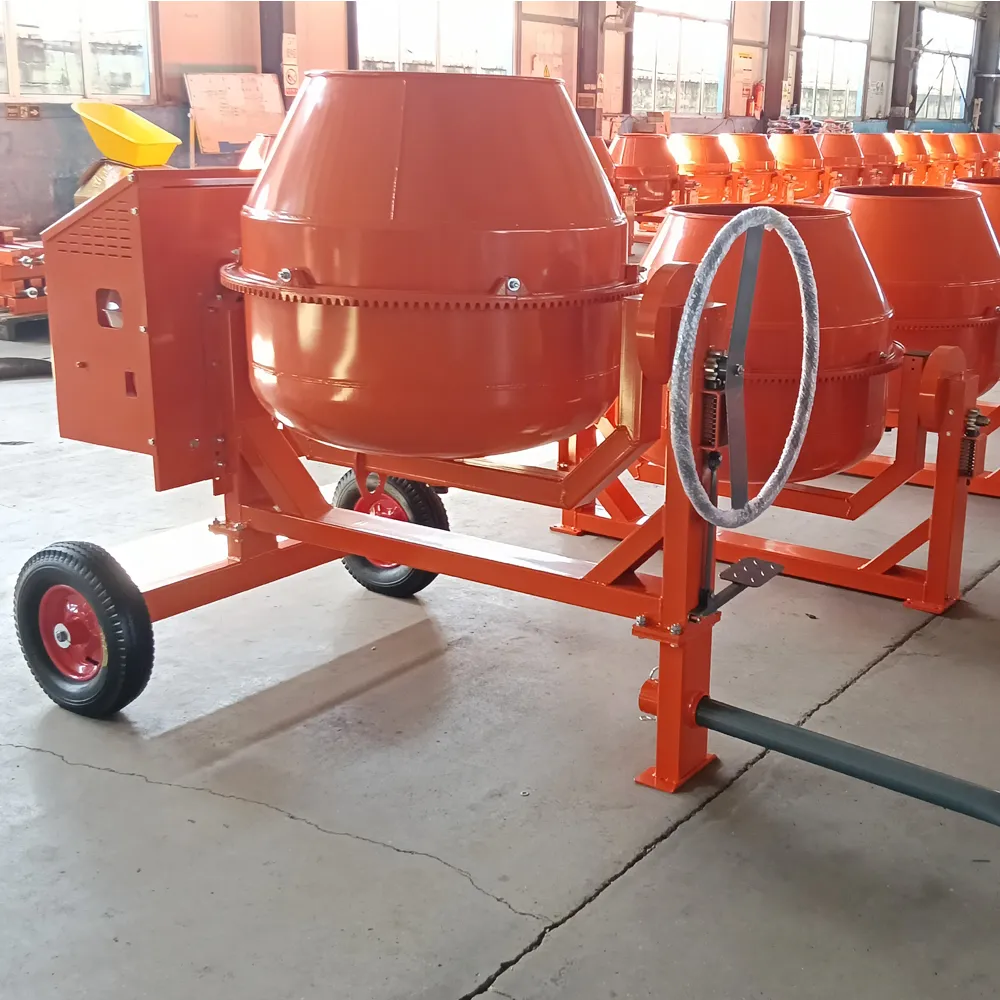
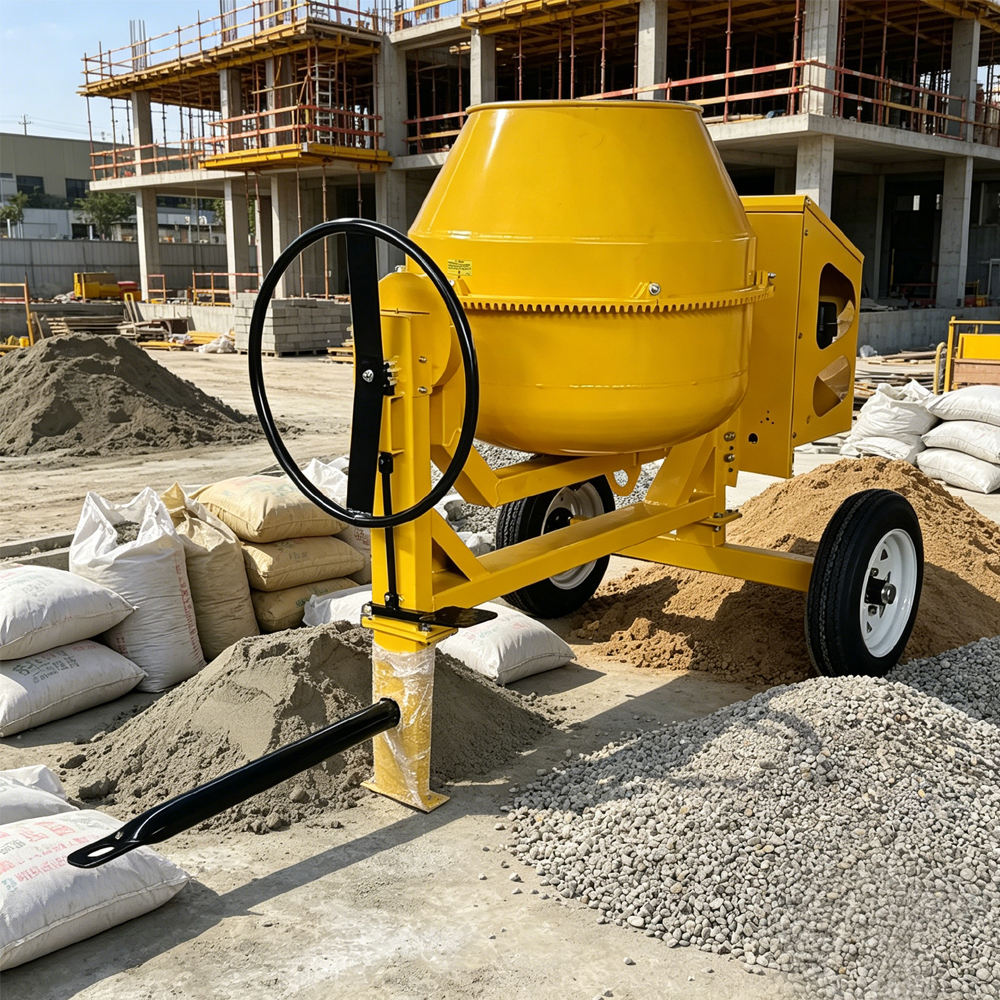
Electric, Gasoline, and Diesel: Not a Choice Between Advanced and Backward, but a Match to the Application Scenario
When choosing a power type, the most common misconception is to regard electric drive as a “low-end solution” and diesel as a “universal answer.” In reality, the opposite is often true: if the job site has a stable 220 V or 380 V power supply, an electric motor is almost always the option with the lowest overall cost. Electric motors have no fuel system, carburetor, or filter, and routine maintenance is limited to bearing lubrication and electrical checks. They run quietly and produce zero on-site emissions, and their hourly energy cost is usually only a fraction of that of diesel drive. A comparative calculation for the same mixer shows that the monthly operating cost of diesel drive is significantly higher than that of electric drive, with electricity accounting for a much lower share of total cost than diesel fuel, engine oil, and maintenance expenses. The limitation of electric solutions lies not in the machine itself but in the power grid: remote sites, rural areas with unstable electricity, and scenarios requiring frequent relocation among multiple scattered work points are the real blind spots for electric mixers.
Gasoline engines fill the middle ground of “no electricity but need mobility.” Air-cooled gasoline engines of 5 to 9 hp are lightweight and easy to start, and they account for the highest share of export configurations for Southeast Asia, Africa, and the Middle East. They are suitable for small and medium-sized outdoor projects and operating models that involve frequent site changes. However, their torque reserve is limited, and during continuous full-load mixing above 350 L, they tend to show speed fluctuation and reduced fuel economy. This is precisely where the core value of diesel engines lies: a higher compression ratio delivers stronger low-speed torque, enabling mixers above 500 L to remain stable during heavy-load startup and prolonged continuous operation. The energy density of diesel also means that each liter of fuel can support a longer period of effective working time. The trade-offs are equally clear: the total weight of a diesel engine is usually several times that of a gasoline engine of the same power, the purchase cost is 15% to 25% higher, and maintenance of the high-pressure fuel pump and injectors requires personnel with the relevant skills.
Visualizações: 8
 English English
 Spanish
 Portuguese
 French
 Arabic
 Dutch
 Russian