Avoid your inquiry is delay response, please enter your WhatsApp/Skype along with the message, so we can contact you at the very first time.
We will reply you within 24 hours. If for urgent case, please add WhatsApp/WeChat: ,. Or call directly.
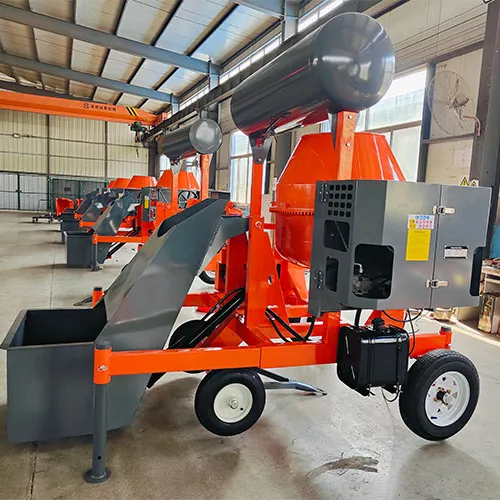
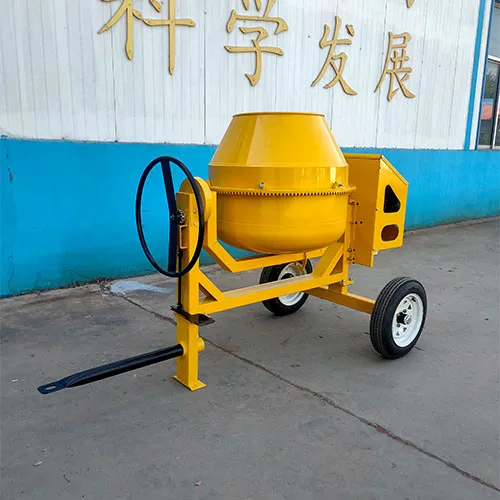
Concrete mixers operate by: Loading raw materials into the drum. Rotating the drum to mix components evenly. Discharging the mixed concrete through the chute.
Is it cheaper to mix your own concrete or buy it?
Mixing your own concrete can save you money initially and allows for mix customization. However, it requires more labor and can vary in quality. On the other hand, ready mix offers convenience, consistent quality, and saves time, though it’s typically more expensive, especially for small projects.
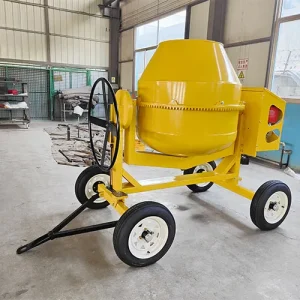
FC700 concrete mixer
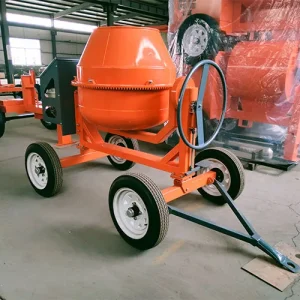
FC 350L concrete mixer
What is the 90 minute rule for concrete?
The ASTM C 94, Specification for Ready Mixed Concrete, indicates that the concrete shall be discharged on the job site within 90 minutes and before 300 revolutions after water was added to the cement. The purchaser may waive this requirement, when conditions permit.
What is the 1/2/3 rule for concrete?
A popular mix ratio for concrete is 1:2:3, which consists of 1 part cement, 2 parts sand, and 3 parts aggregates. The 1:2:3 mix ratio offers good strength and is easy to work with. This makes it ideal for common DIY jobs such as shed bases.
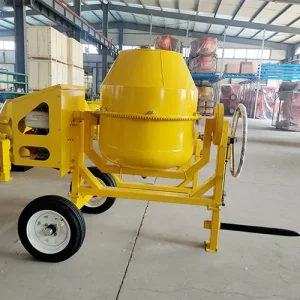
FA450 concrete mixer
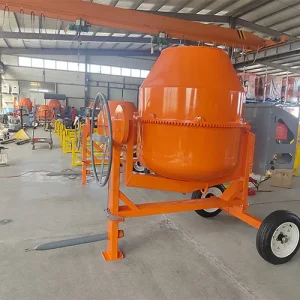
FA800 concrete mixer
What is the difference between a cement mixer and a concrete mixer?
A cement mixer is technically the same as a concrete mixer. While some people use “cement mixer” to refer to small units, both terms describe machines that mix cement, aggregates, and water to create concrete.
What is a good concrete mix ratio for beginners?
For residential foundations and slabs, a common mix ratio is 1:2:3, consisting of one part cement, two parts sand and three parts aggregate. This mix provides sufficient strength and durability for typical residential structures while maintaining workability during placement.
Views: 127
 English English
 Spanish
 Portuguese
 French
 Arabic
 Dutch
Dutch Russian