Avoid your inquiry is delay response, please enter your WhatsApp/Skype along with the message, so we can contact you at the very first time.
We will reply you within 24 hours. If for urgent case, please add WhatsApp/WeChat: ,. Or call directly.
Are you struggling with uneven ground, shifting pavers, or fragile asphalt surfaces? Such issues lead to cracks, wasted materials, and costly rework. By choosing the right plate compactor, you enhance stability and strength. A reliable, heavy duty compactor is the solution for achieving optimal results and peace of mind.
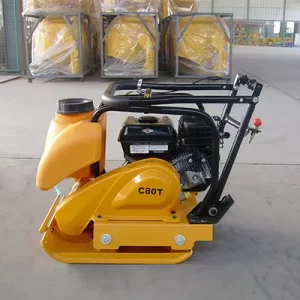
A plate compactor is a construction tool designed to compact soil, gravel, or asphalt by applying a compaction force through a vibrating plate. Whether you’re working on a patio, walkway, or landscape project, using a vibratory plate compactor ensures more stable and even surfaces, reducing air voids and preventing future cracks.
A plate compactor is a powerful construction machine that helps flatten and compact different types of surfaces by applying consistent impact force. Usually built with a sturdy steel plate at its base, it vibrates rapidly—some models utilize high-frequency vibration—to compress soil, gravel, or asphalt layers. This creates a more uniform, dense surface, preventing future settling issues.
The idea behind a plate compactor is straightforward: a heavy, vibrating plate moves across the ground, pounding it repeatedly with great force, thereby reducing air voids and improving the density of loose materials. Thanks to its maneuverability, you can guide it around turns and tight corners, making it an essential piece of equipment whether you are installing a new walkway, laying interlocking pavers, or performing general home improvement projects.
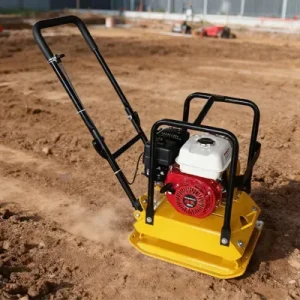
Quick Fact: Larger construction projects typically require specialized machines such as smooth drum rollers, but plate compactors are powered by gasoline or diesel engines for smaller tasks and more confined spots.
The vital element of any compactor is its ability to provide proper compaction. It accomplishes this by transferring centrifugal force from the engine to the base plate. As the plate strikes the ground, it pushes particles together, dramatically increasing surface stability. This process is ideal for soil compaction, preparing a solid foundation for paver blocks or concrete slabs.
Vibration Mechanism
Forward Motion and Maneuverability
Tip: Maintain a moderate throttle speed to guarantee consistent compaction and control. Operating at full throttle isn’t always best, as it can cause unnecessary wear without improving the quality of compaction.
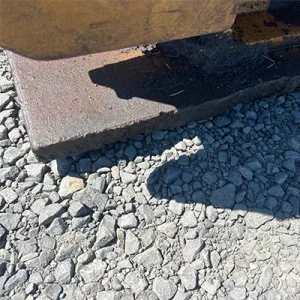
Many professionals rely on a compactor because of its efficiency in achieving solid, uniform ground. A vibratory plate compactor is especially valuable for granular materials such as sand, gravel, or crushed stone, which easily rearrange under vibration.
Benefits of Vibratory Plate Compactors
Furthermore, proper soil compaction not only extends the life of structures built on top but also results in lower long-term maintenance costs. By investing in a quality plate compactor, you’re boosting the structural integrity of all your projects.
Achieving proper compaction is crucial for long-term stability. Here are insights to help you get the most out of your machine:
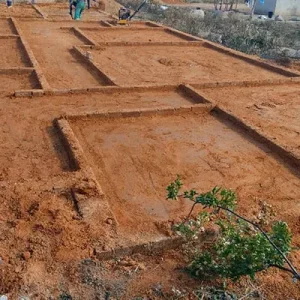
Compaction equipment, like any heavy duty machinery, demands regular care:
Inspect the Plate
Check the base for cracks or deformation. A damaged steel plate reduces compaction force and can cause uneven surface finishes.
Engine Maintenance
Follow the manufacturer’s instructions: change oil, inspect the air filter, and keep the cooling fins clean.
Thorough Cleaning
After each session, remove dirt, rocks, or debris lodged in the blade area. If you are working with asphalt, ensure residual tar doesn’t accumulate.
Safety and Ergonomics
Wear personal protective equipment (PPE): ear protection, safety glasses, gloves, and steel-toed boots.
Maintain proper posture to reduce strain on your back and arms. An ergonomic handle mechanism helps mitigate repetitive stress.
Also, keep an eye on your throttle control to avoid spills or abrupt changes in direction. Operating at the correct speed ensures you remain in full control of the compactor.
Below are some commonly asked questions about owning or renting a compactor:
How often should I service my plate compactor?
Regularly check oil levels and clean the air filter after every use. A more extensive servicing—checking spark plugs, belts, and the impact force mechanism—can be done monthly or according to the manufacturer’s manual.
Can I rent plate compactors instead of buying?
Yes! Many equipment rental centers offer daily or weekly rental rates. You can rent plate compactors if you have a one-time project or prefer not to invest in a permanent unit.
What if I only need light surface compaction?
You can still use a smaller plate compactor model or reduce your passes. The controlled vibrations help ensure you don’t over-compact the material. Just keep an eye on the moisture level and your layering technique.
Is water necessary for compaction?
A water tank is beneficial for controlling dust and preventing hot asphalt from sticking to the plate. If you’re primarily working on sand-based or granular surfaces, a light sprinkling can aid the process.
How do I handle corners or edges?
Work in overlapping passes, edging the machine slightly beyond each previous track. For tight corners, a narrower plate or a specialized corner tamper is recommended to ensure thorough coverage.
Views: 75
 English English
 Spanish
 Portuguese
 French
 Arabic
 Dutch
Dutch Russian