Avoid your inquiry is delay response, please enter your WhatsApp/Skype along with the message, so we can contact you at the very first time.
We will reply you within 24 hours. If for urgent case, please add WhatsApp/WeChat: ,. Or call directly.
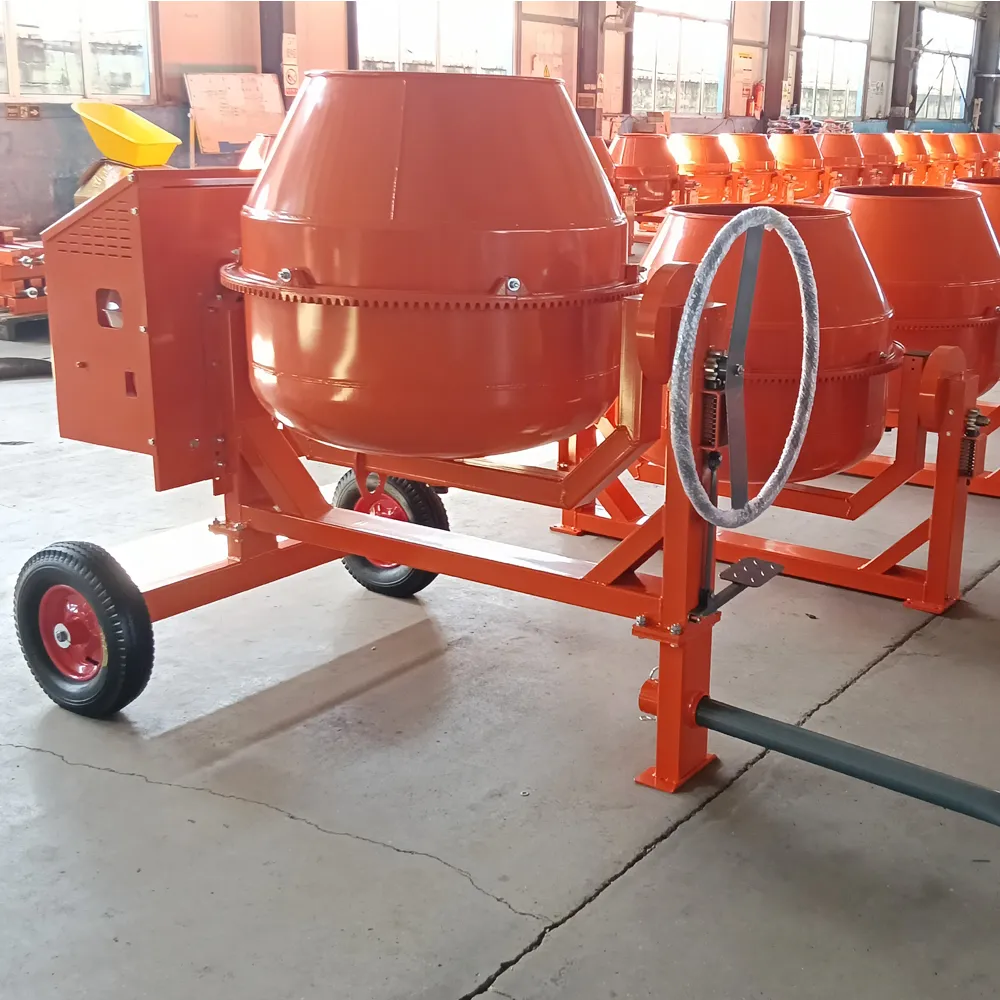
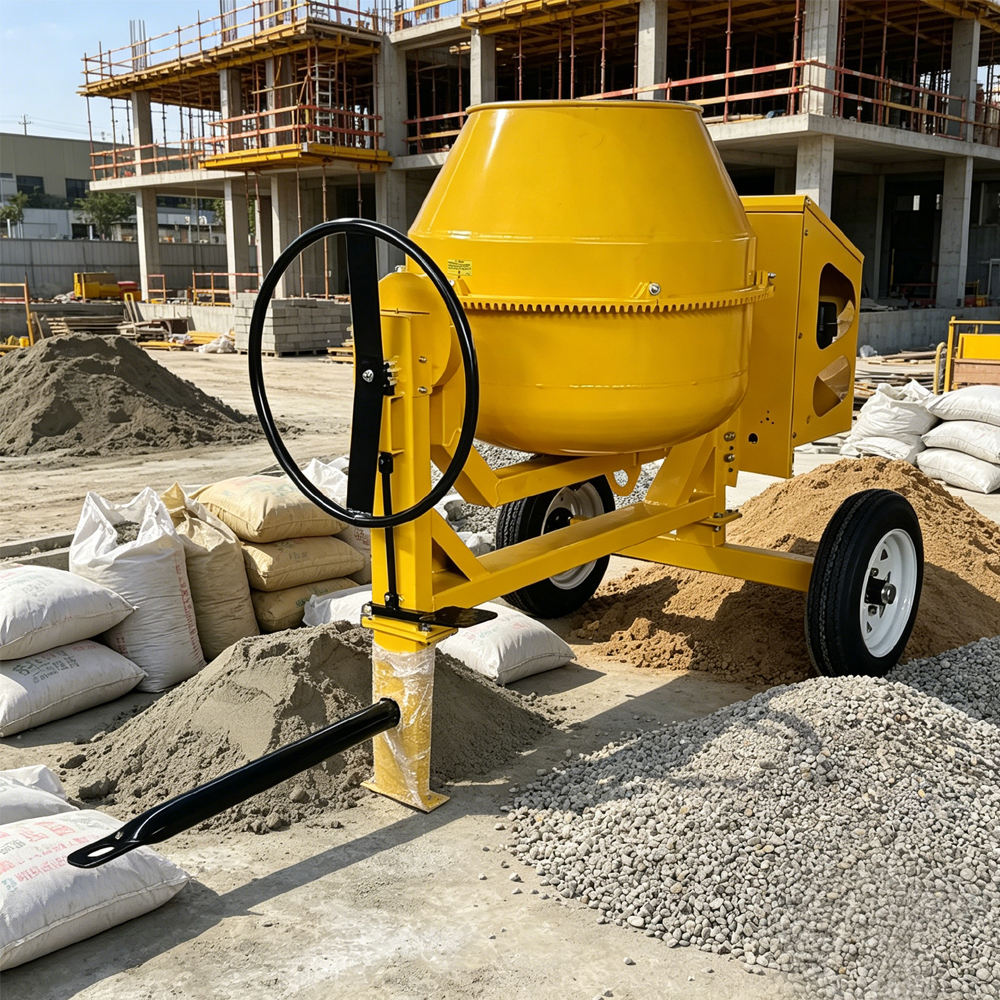
Summary: When choosing a concrete mixer, capacity and power configuration are two key factors. A 260L–800L capacity range can cover small construction, courtyard projects, and small-to-medium jobsites; the engine can be configured with a diesel engine, gasoline engine, or electric motor. This article explains use cases, capacity selection, power configuration, and selection suggestions to help users match their actual needs more efficiently. LAIZHOU CHICCA MACHINERY CO LTD. focuses on concrete mixers and other construction machinery and can follow up on configuration recommendations based on user requirements.
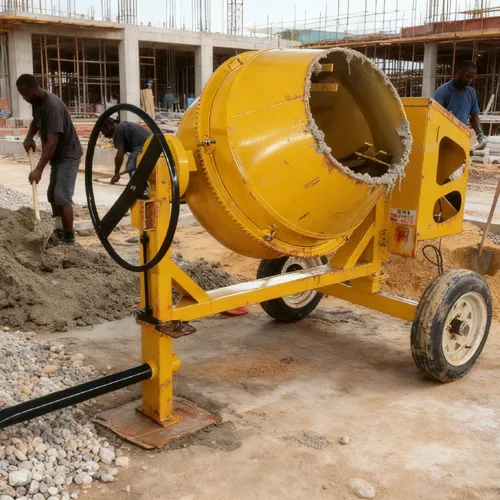
The capacity of a concrete mixer directly affects batch output, construction efficiency, transportation convenience, and applicable scenarios. If the capacity is too small, frequent loading and discharging are required, which affects efficiency; if the capacity is too large, transportation, storage, and operation may become more difficult.
For most small and medium-sized projects, rural construction, courtyard work, municipal maintenance, and overseas projects, 260L–800L capacity is a practical range. Users can choose a suitable model based on daily concrete demand, construction space, transportation conditions, and the number of operators.
| Capacity Range | Applicable Scenarios | Features |
|---|---|---|
| Around 260L | Courtyard work, small repairs, minor projects | Relatively small size, easy to move, suitable for small batches of concrete |
| 350L–500L | Rural house building, small jobsites, road repairs | Balances efficiency and mobility; widely used |
| 600L–800L | Small-to-medium projects, continuous operation needs | Larger batch output, suitable for scenarios with higher efficiency requirements |
It should be noted that different manufacturers may label capacity differently. When purchasing, confirm whether the figure refers to output capacity or input capacity, and judge based on actual construction needs. The significance of 260L–800L capacity is that it covers a variety of needs from light to medium volume, rather than meaning that a single model is suitable for all scenarios.
The power configuration of a concrete mixer directly affects operating costs, site adaptability, and maintenance methods. Common configurations include diesel engines, gasoline engines, and electric motors.
Suitable for jobsites without a stable power supply, overseas projects, remote areas, or scenarios requiring stronger continuous operation capability. Diesel engines are generally suitable for long running periods, but fuel supply and maintenance should be considered.
Suitable for mobile operations, temporary construction, and small-batch concrete mixing. Gasoline engines generally start conveniently and are relatively lightweight, making them suitable for users with higher mobility requirements.
Suitable for fixed jobsites with stable power supply, factories, precast yards, or scenarios sensitive to operating costs. Electric motor configurations are generally simple to operate and easy to maintain, but require a reliable power supply.
If the construction site changes frequently or power conditions are unstable, diesel or gasoline engine configurations can be considered first. If the working location is fixed and power conditions are good, an electric motor configuration is usually more convenient for daily use.
When purchasing a concrete mixer, price should not be the only consideration; actual user needs should be the starting point. It is recommended to focus on the following questions:
How much concrete needs to be mixed each day? Choose a suitable model from the 260L–800L capacity range based on demand.
Is there a stable power supply at the construction site? If stable power is available, consider an electric motor; if there is no power or power is unstable, consider a diesel or gasoline engine.
Does the machine need to be moved frequently? For frequent mobile operations, pay attention to body weight, mobility method, and power configuration.
How many operators are there, and what is their maintenance capability? Choosing a model that is easy to operate and maintain is more conducive to long-term use.
Is local fuel supply and spare parts supply convenient? This affects the long-term operating cost of diesel or gasoline engines.
Is manufacturer follow-up on configuration recommendations needed? Different working conditions have different capacity and power requirements. Manufacturer selection suggestions based on user needs help better match actual scenarios.
LAIZHOU CHICCA MACHINERY CO LTD. provides concrete mixers and other products and can follow up and recommend suitable capacity and power configurations based on users’ construction scenarios, power conditions, output requirements, and transportation conditions.
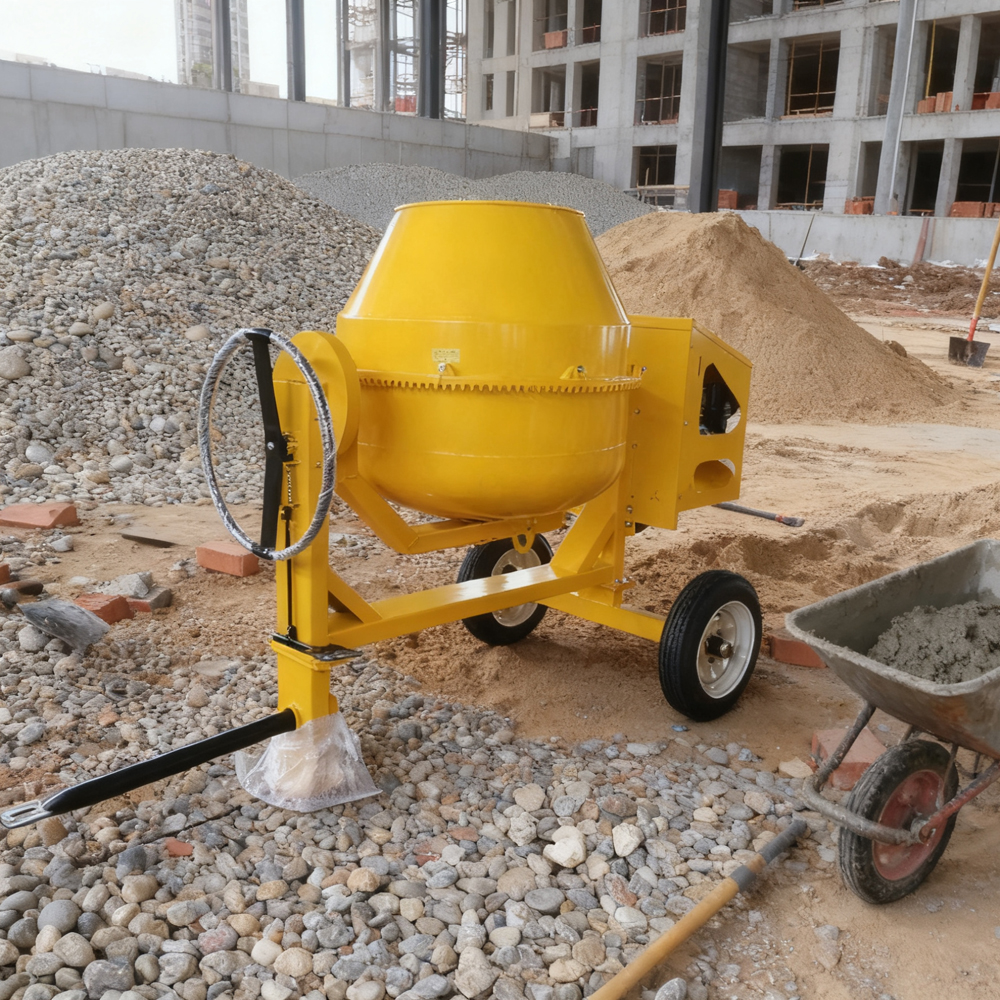
The key to choosing a concrete mixer is matching actual needs: 260L–800L capacity covers a variety of construction scales, while diesel, gasoline, and electric motor configurations correspond to different power and operating conditions. Clarifying the construction scenario, output requirements, and power conditions first, and then choosing a suitable model, is usually more effective than simply comparing prices.
LAIZHOU CHICCA MACHINERY CO LTD. focuses on concrete mixers and other construction machinery and can follow up with capacity and power configuration recommendations based on users’ specific needs. For more information about 260L–800L capacity concrete mixers and diesel, gasoline, or electric motor configurations, please contact us for more product information.
Views: 18
 English English
 Spanish
 Portuguese
 French
 Arabic
 Dutch
 Russian